


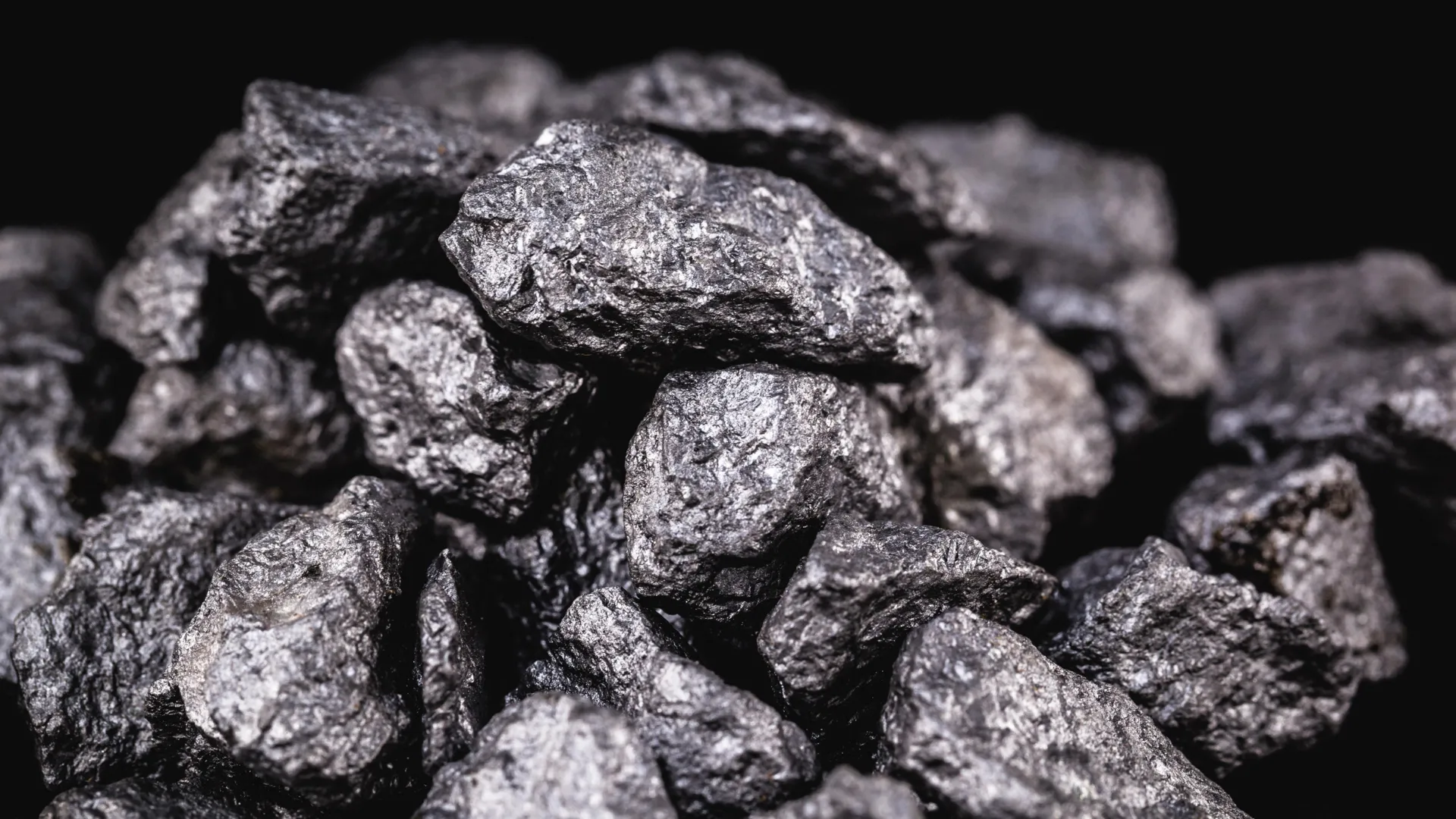
Scientists studying rare rocks buried deep beneath central Australia have uncovered how one of the world’s most promising new sources of niobium came to be. Niobium is a critical metal used to strengthen steel and support clean energy technologies, and its origins are tied to dramatic geological events that unfolded more than 800 million years ago.
The research, led by Curtin University, shows that these newly identified niobium-rich rocks formed during the early stages of a massive continental breakup. At the time, Earth’s ancient supercontinent Rodinia was beginning to pull apart, creating deep fractures in the crust.
How Tectonic Forces Brought Metal to the Surface
According to the study, molten rock rich in niobium rose from deep within the Earth through long-standing fault zones. These pathways opened during a period of tectonic stretching and rifting that eventually split Rodinia apart. The molten material solidified into rare igneous rocks known as carbonatites, locking valuable metals into the crust.
Lead author Dr. Maximilian Dröllner, from the Timescales of Mineral Systems Group within Curtin’s Frontier Institute for Geoscience Solutions and the University of Göttingen, said the discovery offers new insight into how rare, metal-rich magmas reach the surface.
“These carbonatites are unlike anything previously known in the region and contain important concentrations of niobium, a strategic metal used to make lighter, stronger steel for aircraft, pipelines and EVs and a key component in some next-generation battery and superconducting technologies,” Dr. Dröllner said.
Pinpointing an 800-Million-Year-Old Geological Event
By examining drill core samples, the research team used several isotope-dating methods to determine when the rocks formed. Their results show the carbonatites were emplaced between 830 and 820 million years ago, during a key phase of continental rifting before Rodinia fully broke apart.
“Using multiple isotope-dating techniques on drill core samples, we found that these carbonatites were emplaced between 830 and 820 million years ago, during a period of continental rifting that preceded the breakup of Rodinia.
“This tectonic setting allowed carbonatite magma to rise through fault zones that had remained open and active for hundreds of millions of years, delivering metal-rich melts from deep in the mantle up into the crust.”
Reconstructing Half a Billion Years of Earth History
Curtin co-author Professor Chris Kirkland, also from the Timescales of Mineral Systems Group, said the study highlights how advanced analytical techniques can untangle extremely complex geological timelines.
“Carbonatites are rare igneous rocks known to host major global deposits of critical metals such as niobium and rare earth elements. But determining when and how they formed has historically been difficult due to their complex geological histories,” Professor Kirkland said.
“By analyzing isotopes and using high-resolution imaging, we were able to reconstruct more than 500 million years of geological events that these rocks experienced.
“This approach allowed us to pinpoint when the carbonatites formed and separate those original magmatic events from changes that happened later in the rocks.”
The findings were published in Geological Magazine under the title ‘Multi-method geochronology and isotope geochemistry of carbonatites in the Aileron Province, central Australia’.